Augmented Reality
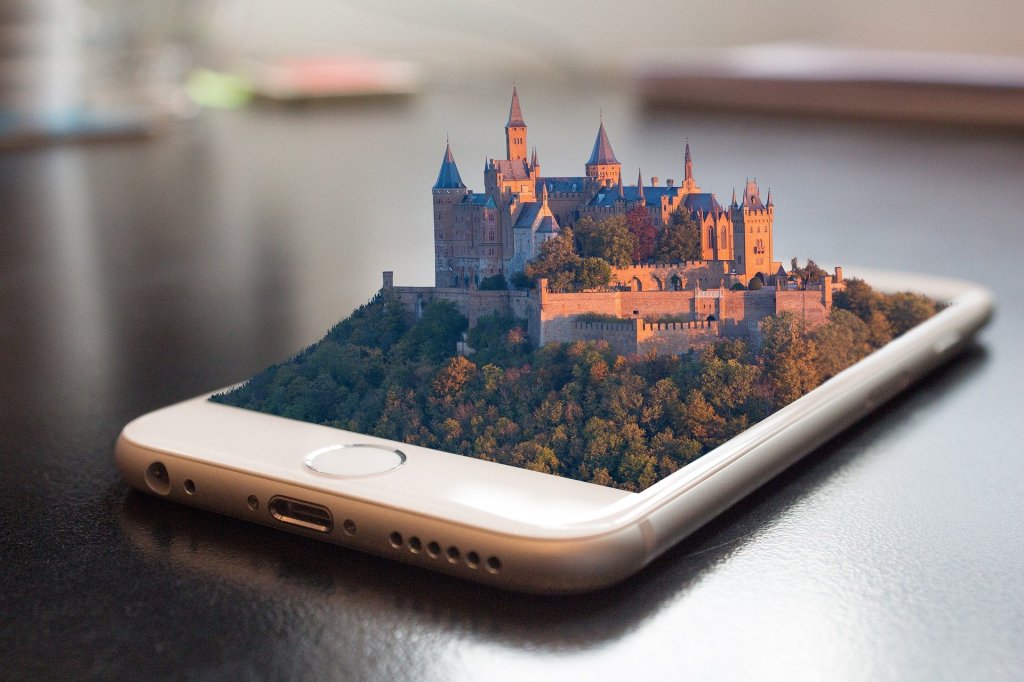
I am interested in the impact that augmented reality will have on how we learn and its possibilities for changing how we teach. Allowing learners to manipulate their environments and genuinely engage with the content will allow for better knowledge transfer, and an increase in the connections learners can make with the real world. The rise of augmented reality creates an exciting time as we are about to see a true revolution in how we learn and how quickly we can apply what we know.
Virtual Reality

I am interested in continuing to see the impacts on learning the virtual reality will produce. The immersive nature of virtual reality education and training has already profoundly impacted medical training, training in hazardous environments, and limiting the fear of failure amongst learners. The recent trends in lowering the barrier to the cost of entry will only continue to fuel the adoption and implementation of virtual reality education. This adoption will provide more in-depth learning experiences to learners all over the world. Learning is no longer limited by what is possible in the classroom but what your imagination will let you complete.
Artificial Intelligence & Machine Learning

Learning and training have been limited by what the educator can see and what they discover after assessing their learners. Artificial Intelligence and Machine Learning will allow learners to get the support they need instantaneously, closing learning gaps in a way that was never possible. In addition, I think an often overlooked benefit of the continued integration of Artificial Intelligence and Machine Learning is the ability to stoke learners’ curiosity and pursue their interests and enable them to excel. I am interested in the impact these technologies will have on learner perception as well as achievement.
Digital Badges & Micro Credentialing

Higher Education and Continuing Education appear to be at a crossroads of figuring out what they will be in the future and how to adapt to a changing world and changing technology. In addition, the rising costs of the last few decades have caused learners to pause and reflect on the value they are receiving. Digital Badging and Micro Credentialing have presented unique and exciting opportunities to learners to showcase what they have learned or pursue their educational interests without wasting time or money that comes with traditional programs. It will be interesting to see who starts to adopt these credentials as a standard of qualification and the long-term comparison to those who have pursued traditional routes. These areas also have interesting implications on how to help adapt current workforces to meet the needs of a changing world.
 Colin Talbot